Where the City Narrows
Quick answer
Between Second and Third Avenue, the East Village tightens just enough to feel like a center—where people cross paths, plans shift, and the city briefly feels contained.
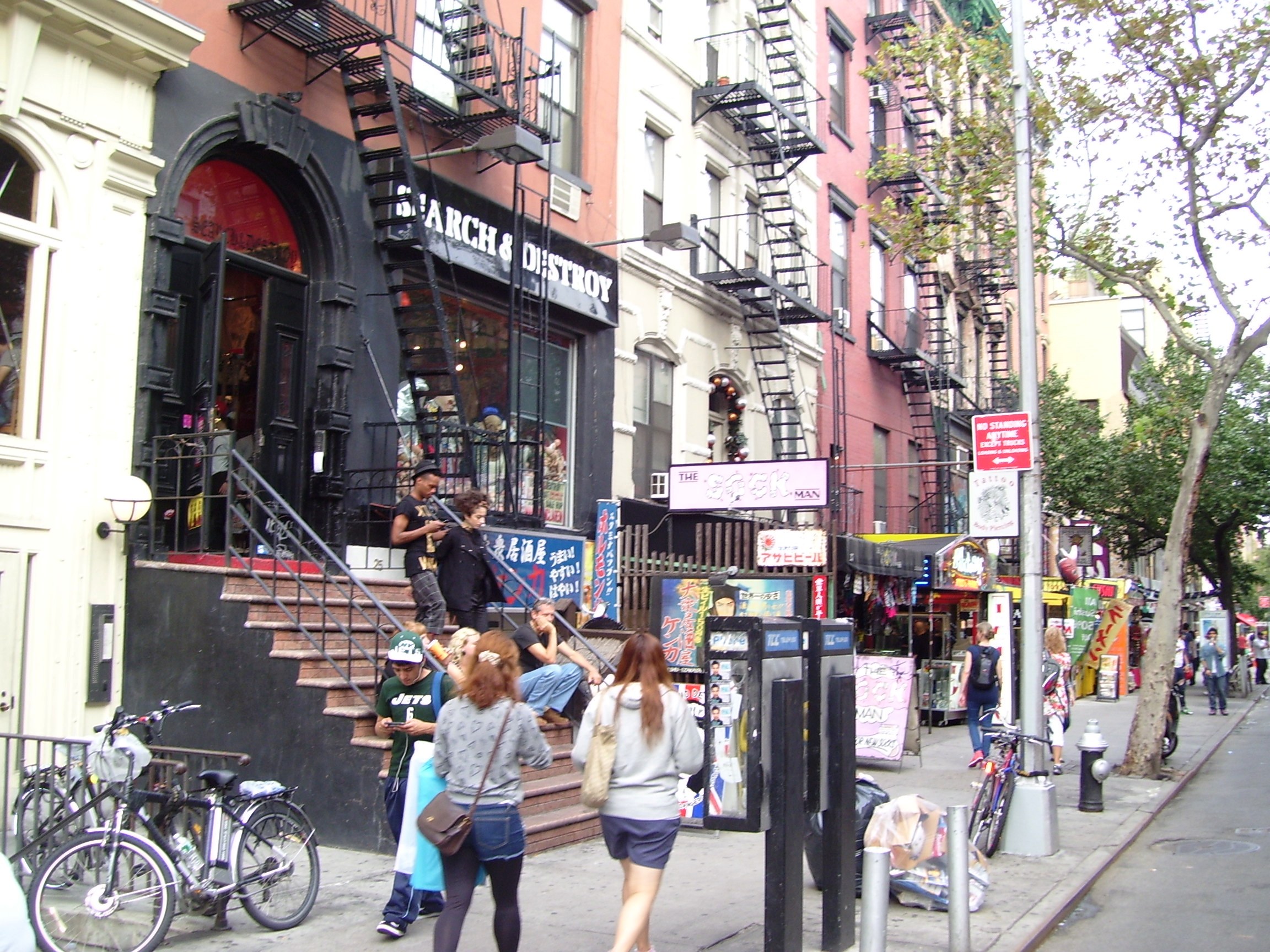
There’s a stretch of the East Village where the city seems to fold in on itself just enough to feel concentrated. Between Second and Third Avenue, the blocks get tighter. The noise sharpens. You’re close to everything without being swallowed by it. People pass through this area without always noticing why it feels familiar. It’s not because it’s flashy. It’s because so many directions quietly converge here. Downtown and uptown bleed into each other. Alphabet City is a few steps away. SoHo doesn’t feel far. Neither does Midtown, at least not in spirit. You can tell by how people move. Nobody’s lingering for the sake of being seen. They’re on their way somewhere, or they’re deciding where to go next. Conversations overlap at the corners. A group coming from dinner passes another coming from a show. Someone’s arriving. Someone else is already late. That block between Second and Third has always worked like that. It’s narrow enough to feel local, but central enough that no one’s really a stranger. You’ll hear three accents in a single minute. You’ll see someone who looks like they’ve lived here forever standing next to someone who clearly just got off a train. What’s interesting is how little it’s changed in purpose, even as everything around it keeps shifting. Stores turn over. Names on doors come and go. But the block itself stays useful. It remains a place people end up, often without planning to. It’s close to trains without feeling like a transit hub. Close to bars without being rowdy by default. Close to nightlife without demanding commitment. That balance is rare in New York. Most places lean too hard in one direction. At night, the sidewalks compress. Not crowded, just full enough. You don’t need a destination to be there. Standing still feels acceptable. Walking slowly doesn’t feel like a mistake. There’s a sense that whatever you’re looking for is probably nearby, even if you haven’t named it yet. In a city this large, “center” is usually a metaphor. But every now and then, a block earns it through use rather than design. By the way people cross paths. By how often plans quietly change once they arrive. Between Second and Third, the East Village does that thing New York does best — it makes the city feel briefly manageable, like everything important is within a few steps.
Explore more at St. Marks