When the Snow Changes the Night
Quick answer
Snow edits New York instead of stopping it, turning the night into something quieter, closer, and more intentional.
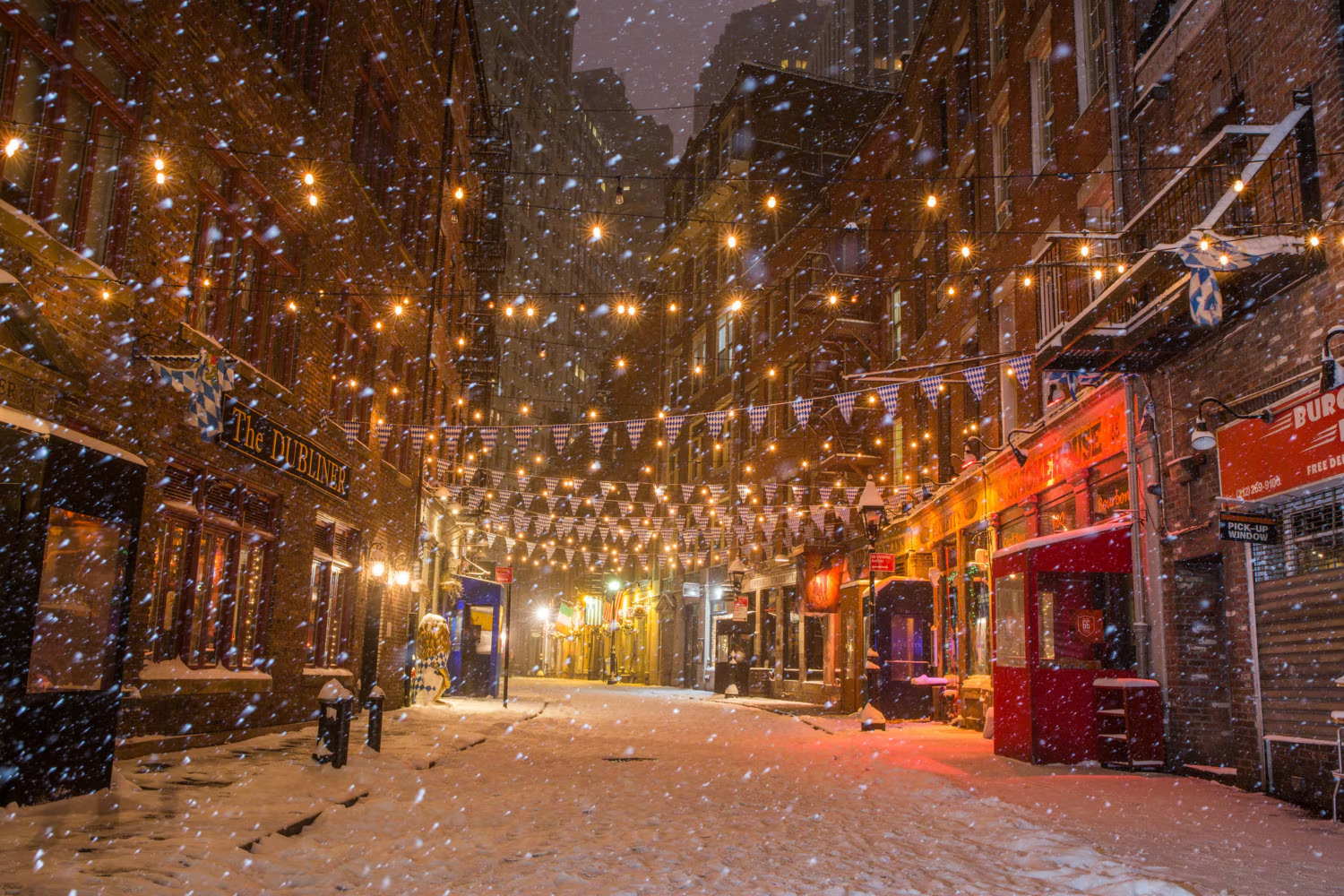
Snow rearranges the city before it quiets it. At first, everything just slows down a half-step. Footprints appear where there weren’t any a minute ago. Cars move more carefully, like they’re negotiating with the street instead of claiming it. The air feels closer, softer somehow, even when it’s cold enough to sting. Going out on nights like this feels different from the start. Plans become looser. People commit later. Nobody’s racing across town unless they really want to be there. The city filters itself. What’s left are smaller rooms, shorter walks, and places that feel closer than they do on any other night. A block that’s usually forgettable suddenly feels like a destination. Light spilling out of a doorway matters more when the sidewalk is quiet. Snow does something subtle to crowds too. People talk a little more softly. Laughter carries farther. There’s less background noise to compete with, so moments land cleaner. You notice things you normally miss — the timing of a pause, the sound of boots shaking off at the door, the way everyone seems briefly relieved to be inside. There’s also a strange sense of permission on snow nights. If you go out, it feels intentional. If you stay home, it feels earned. Nobody’s judging either choice. The night becomes about presence instead of options. Later, when it’s time to leave, the city feels borrowed. Streets that are usually crowded look temporary, like a version of New York that only exists for a few hours. People walk slower, not because they have to, but because there’s no reason not to. Snow doesn’t shut the city down. It edits it. It removes the excess and leaves behind something simpler — a few places, a few conversations, a few moments that feel clearer than they normally do. Those are the nights people remember, even when they don’t remember exactly where they went.
Explore more at St. Marks