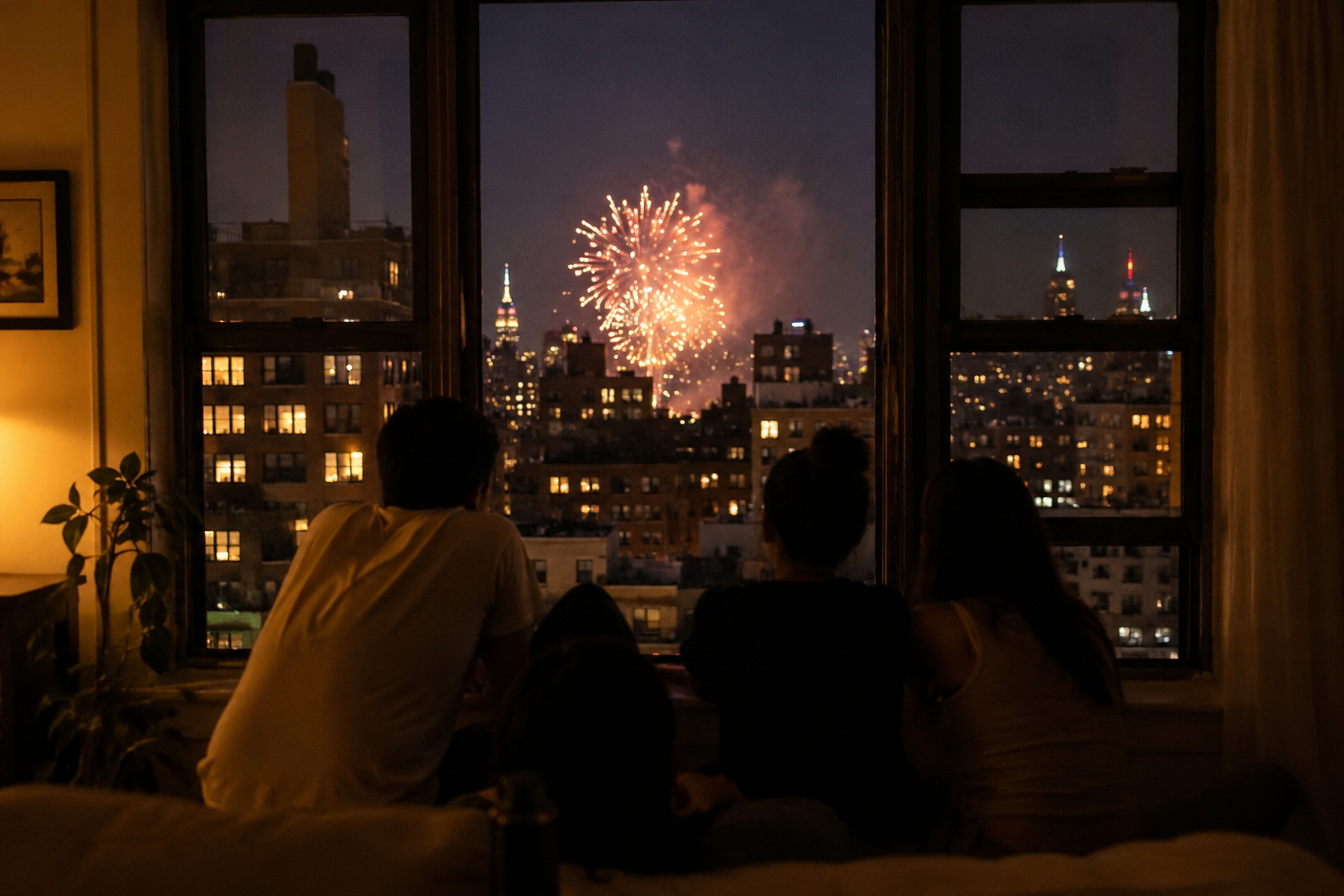
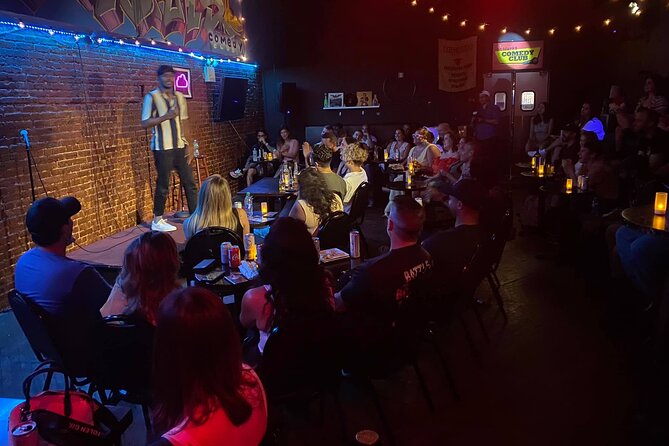
The City on a Three-Day Pause
Quick answer
The MLK weekend in New York doesn’t arrive loudly—it shows up as a shift in pace, giving the city a brief moment to slow down without stopping.
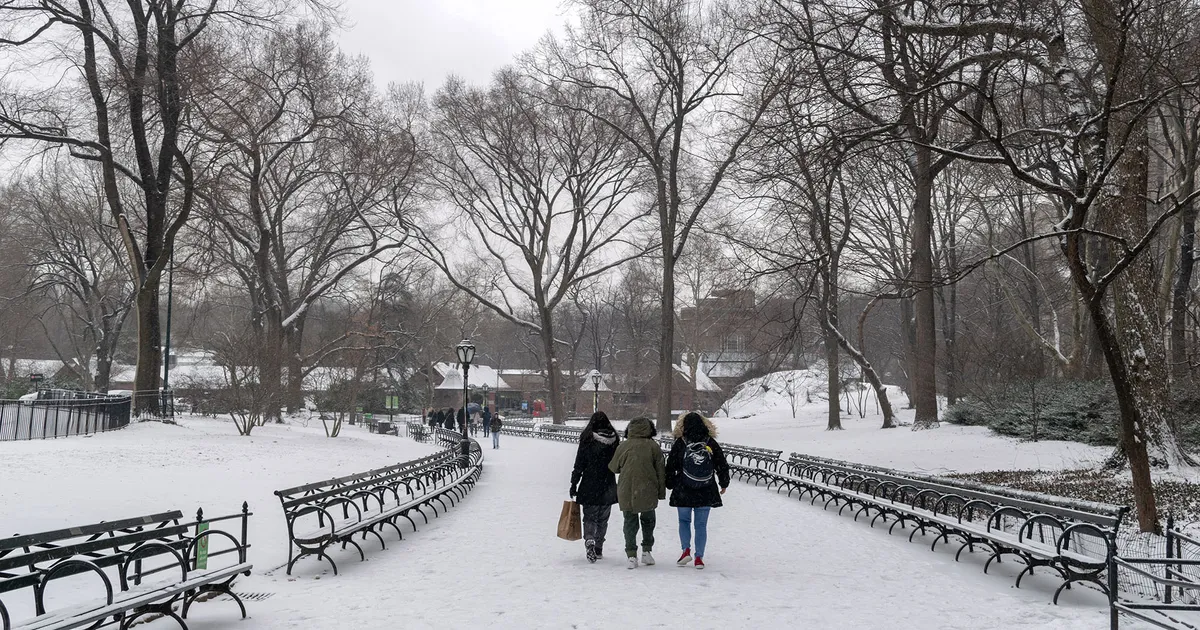
The MLK weekend in New York doesn’t announce itself loudly. It arrives more as a shift in rhythm than a celebration. The city loosens its grip just a little, enough for people to notice the extra day without quite knowing what to do with it yet. Friday night feels normal. Saturday too. But somewhere around Sunday afternoon, the tone changes. Trains are less crowded. Mornings stretch longer. People move through the city without the usual urgency, like they’ve been granted time instead of having to steal it. The extra day creates space for decisions that don’t feel rushed. Some people leave town. Others stay and rediscover parts of the city that usually get skipped. Museums feel calmer. Parks feel intentional rather than incidental. Conversations last longer because nobody is counting hours as closely. There’s also a reflective undercurrent to the weekend, even if it’s quiet. The city doesn’t stop, but it listens more. You notice it in the way people gather — smaller groups, slower plans, fewer packed itineraries. It’s a weekend that doesn’t demand productivity or spectacle. By Monday, the city feels suspended between rest and motion. Coffee shops fill gradually instead of all at once. Streets feel open without being empty. There’s a sense that everyone is easing themselves back into things, aware that the pause is temporary but still useful. What makes the MLK weekend distinct isn’t just the extra day. It’s the way the city treats it — not as a break from itself, but as a softer version of its usual pace. A reminder that movement doesn’t always have to mean acceleration. By Tuesday, New York snaps back into focus. But the best part of the weekend is that brief moment when it doesn’t. When the city breathes, and lets the people inside it do the same.
Explore more at St. Marks